What is being a real estate agent really like in 2026, with home prices high, mortgage rates above 7% and sales slow? Here’s my honest answer, from someone still building a business.
I got my Pennsylvania license in 2020, worked real estate part-time for years while running a bubble tea franchise, and went full-time in 2026. Here’s what the work looks like this year, what it costs to start, how the pay actually works, and who I think it suits.
Market figures are the latest available on October 29, 2026, with each source and date listed at the end. My own numbers are my experience, not a promise of yours.
The short answer
Real estate can be a rewarding career for people who like helping others and can live with uneven income. In 2026, homes are still getting more expensive nationally, but sales are slow and mortgage rates are above 7%. That makes the first year harder, not impossible. Plan for months before your first paycheck, budget for ongoing dues and fees, and choose a brokerage or team for its training, not just its split.
How I got here
Before real estate, I was a college student finishing an I.T. degree. What pulled me toward homes was growing up. We moved every few years when I was a kid, and it wasn’t until we settled into a house during junior high that I felt real stability. That house carried me through high school and college graduation. I learned early how much a place to call home matters, however modest it is.
I didn’t jump in full-time. From 2021 to 2026 I also ran a bubble tea franchise, and that income covered my living costs while my real estate business grew slowly. It took me close to a year to go from getting licensed to my first closing, and I remember how long that stretch felt. I’ve closed about a dozen deals so far. In 2026 I made real estate my full-time work, so in many ways I’m still a newer agent, just one who has held a license for six years.
The 2026 market in plain numbers
Whether prices are “rising” depends on where you look.
30-year mortgage rate
6.17% to 7.24%
Freddie Mac average, Oct. 30, 2025 vs. Oct. 29, 2026
Median existing-home price
$412,300 to $417,500
NAR, U.S., September 2025 vs. September 2026 (+1.3%)
- Prices
- The national median existing-home price was $417,500 in September 2026, up 1.3% from a year earlier. Prices have risen year over year for 39 months in a row, but the gains are much smaller than a few years ago. In the Northeast, the median was $523,600, up 4.7%.
- Sales
- Existing-home sales ran at a 3.99 million annual pace in September, down 2.2% from a year earlier.
- Mortgage rates
- Freddie Mac’s average 30-year fixed rate was 7.24% on October 29, 2026, down from 7.40% earlier in the month but well above 6.17% a year earlier.
- Philadelphia area
- Bright MLS reported fewer new pending sales (down 10.7% from a year earlier) and fewer showings (down 10.5%) in September 2026, while month-end active listings were up 19.6%. Bright MLS’s own headline called it a “stalling” fall market.
That matches what I see day to day. Some neighborhoods are still busy, with homes going quickly. In others, houses sit longer and price reductions have become common. Buyers tell me prices feel far higher than five years ago. Sellers worry about selling before the market shifts. For a new agent, a slower market means more conversations per closed deal, and more patience.
How agents actually get paid
Most agents don’t earn a salary. We’re typically independent contractors working under a licensed broker, and we’re paid a share of the commission when a sale closes. If a deal doesn’t close, there’s usually no paycheck for the work that went into it. Arrangements vary by brokerage and team, so ask exactly how yours works.
- Typical income
- NAR’s 2026 Member Profile puts the median gross income of REALTORS® at $59,200. For members with two years or less in the business, the median was $8,000.
- Experience matters
- Members with 16 or more years reported a median of $88,500. The typical member has 13 years of experience and completed nine transaction sides in 2025.
- Side income is common
- In the same survey, 27% of members reported another source of income.
Those are gross figures, before business expenses and taxes. NAR’s median business expenses were $9,530.
What changed after August 2024. Under the NAR settlement practice changes, agents in the MLS who work with a buyer need a written agreement before the buyer tours a home, and offers of compensation can no longer be posted in the MLS. Commissions aren’t set by law and are negotiable. In practice, I now talk about my fee with every buyer up front. If the seller doesn’t agree to cover the buyer agent’s fee, the buyer is responsible for it under our agreement, so we plan for that from the start.
What it costs to get started in Pennsylvania
To get a salesperson license in Pennsylvania, you need to be at least 18 with a high school diploma or equivalent. You also complete 75 hours of approved real estate courses, pass both parts of the state licensing exam, and work under a licensed broker. The state’s initial license fee is $97. After that, you renew every two years ($96) and complete 14 hours of continuing education each cycle.
My first year cost about $2,500 in all. That covered the course, the exam, license fees and keeping the license active. The cost that surprised me most was association dues, at both the national and local level, which keep coming whether you close a deal that year or not. Your total will depend on your school, your brokerage’s fees, your MLS and board, and how much you spend on marketing.
Taxes. As an independent contractor, no one withholds taxes from your commission checks, so set money aside from every check. Once my commissions grew, forming an LLC, and possibly electing S corporation status, started to make sense for me. I’m not an accountant or financial advisor, so talk with one before you decide anything.
What the work looks like week to week
The job isn’t nine to five, but it doesn’t have to be all hours either. I set cutoff times and answer calls and emails after hours only when something is truly urgent.
Inside those hours, the most valuable work isn’t glamorous: following up on client requests, lining up inspectors, lenders and other professionals for clients, and keeping in touch with people through emails and letters. If I get two or three focused hours of that work done in a day, that’s a great day. Focusing on the most important work, even for an hour or two a day, has made the biggest difference in my business.
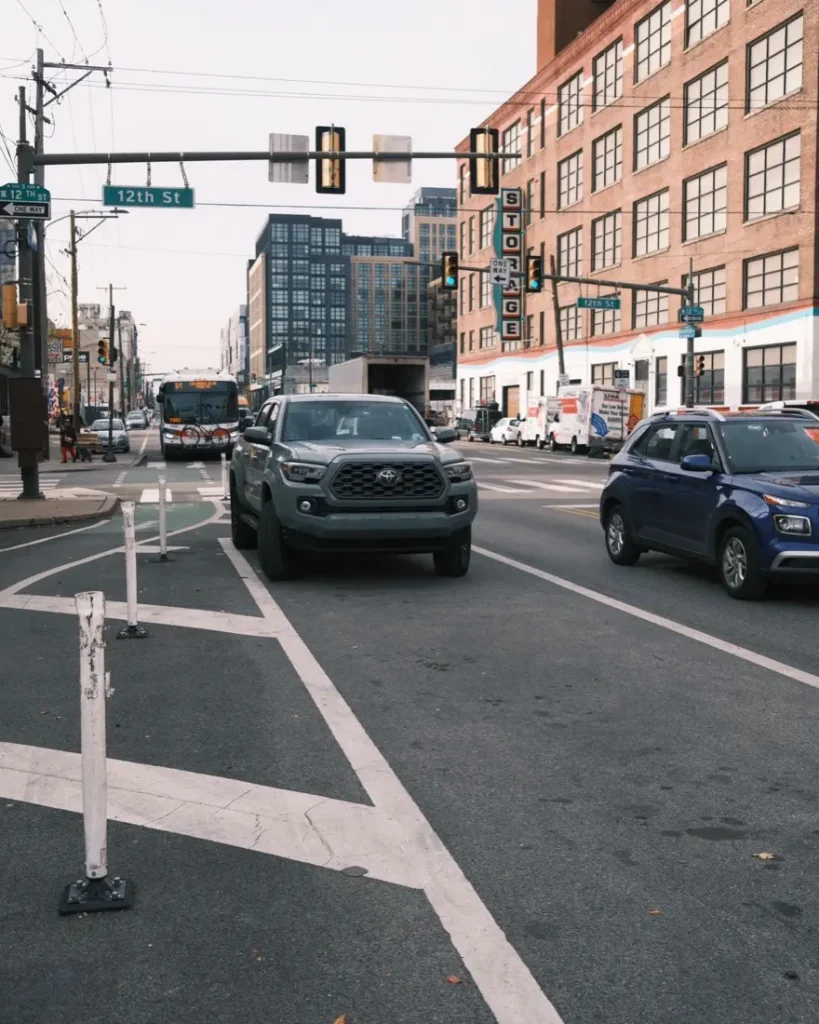
What takes more time than people expect? Driving. A lot of the week happens on the road, between appointments, showings and inspections, often in towns you’ve never been to.
Not every deal works out. In my business, nothing has fallen apart at a critical point yet, but listings have expired and clients’ plans have changed. That’s part of the business, and honestly part of life.
Who this career suits, and who should think twice
It suits natural helpers. The best part for me is meeting new people and helping them move into the next chapter of their lives. It also suits people who don’t mind driving somewhere new and figuring it out when they get there.
The hardest part is being there for clients without spreading yourself too thin. If you need a steady, predictable income early in your career, think twice, or start part-time the way I did, with another income covering your bills.
Questions to ask before you join a brokerage or team
If I started over, I’d join a team instead of going solo. I’d take more time to interview team leaders, and I’d move on if a team wasn’t a good fit. Whichever you choose, ask:
- What training and support do new agents get, and who actually provides it?
- What resources and courses are available for new agents, and what do they cost?
- What’s the commission split? Is there a lower “training” split at first, and when does it change?
- Which fees are mine: desk fees, technology fees, transaction fees, dues?
- Can the split be negotiated? In my experience, splits are negotiable even when they don’t seem to be.
Three things I’d tell anyone considering it
- Plan to keep learning. The work keeps asking you to improve, long after you pass the exam.
- Expect change. Markets shift, and so do the rules. The 2024 commission changes are a recent example.
- Earn trust every time. Show, consistently, that you’re trustworthy, competent and dependable.
Sources & method
National sales and prices: National Association of REALTORS®, existing-home sales for September 2026 (released October 13, 2026). Mortgage rates: Freddie Mac Primary Mortgage Market Survey, October 29, 2026. Philadelphia area: Bright MLS September 2026 market report (released October 12, 2026). Agent income, experience, expenses and other income: NAR 2026 Member Profile (released June 25, 2026), as reported by NAR and HousingWire. Settlement changes: NAR settlement FAQs. Pennsylvania license requirements and fees: Pennsylvania Department of State, real estate salesperson licensure page, checked October 29, 2026. Personal details are from my own experience. This article isn’t tax, legal or financial advice, and nothing here is a guarantee of earnings.
My own numbers are my experience, not a promise of yours. This article isn’t tax, legal or financial advice, and nothing here is a guarantee of earnings. It’s for learning about the career, not a job offer or recruiting.
This form is protected by reCAPTCHA, and the Google Privacy Policy and Terms of Service apply.
Continue exploring
Return to the Thoughtful Agent Field Guide.
Choose another practical guide, try one habit and return to review what helped.
Browse agent resources