

Jump to a sectionOwnership, costs, rules and the resale certificate
You’ve rented apartments for years, and you’ve finally found a place to buy: three floors, your own front door and a small patio out back. In your head, it’s a townhouse.
Then the paperwork arrives. It says “condominium.” It lists a mailing address and a separate unit number, and it comes with a rulebook from the association. So which is it, a townhouse or a condo?
It can be both. A condo is a form of ownership, and a townhouse is an architectural style. Which one the home is on paper decides what you own, what you pay for and what rules you live by. If you’re confused, you’re asking the right question at the right time.
For educational purposes only. I’m a licensed real estate agent, not an attorney or financial advisor, and I don’t give legal or financial advice. Pennsylvania law and federal loan guidance checked November 3, 2026.
- Condo
- How you own it. You own your unit, plus a shared interest in the common elements with the other owners.
- Townhouse
- What it looks like. An attached home, usually two or more stories, sharing side walls with its neighbors.
- Can it be both?
- Yes. A townhouse can be owned as a condo, as a lot in a homeowners association or as a stand-alone property with no association.
- How to tell
- Read the deed’s legal description and the association documents, not the listing headline.
Why the label matters more than the look
Coming from an apartment, you’re used to calling the landlord when the roof leaks, the snow piles up or the water heater quits. When you buy, someone still handles each of those things. The ownership type tells you whether that someone is you, your association or a mix of both.
Get it wrong and the surprises show up after closing: a special assessment for a new roof you assumed was yours to schedule, an insurance policy that leaves your kitchen uncovered or a pet rule that doesn’t fit your dog. Get it right and you walk in knowing exactly what you bought.
A condo is a way of owning, not a shape of building
Pennsylvania’s Uniform Condominium Act describes a condominium as real estate where portions are designated for separate ownership and the remainder is owned in common by those same owners. Your portion is the unit. Everything else, such as the land, the hallways, the roof or the parking lot, is common elements, shared with every other owner. See the definitions in 68 Pa.C.S. § 3103.

Some common elements are set aside for one unit only. Think of a balcony, a patio or an assigned parking space. The law calls these limited common elements. You get to use them, and the declaration describes them and how their costs are charged.
That’s why a condo can look like anything: a high-rise, a converted mansion, a row of townhouses or even a detached house. The building’s shape doesn’t change the ownership. The recorded declaration does.
A townhouse is a building style
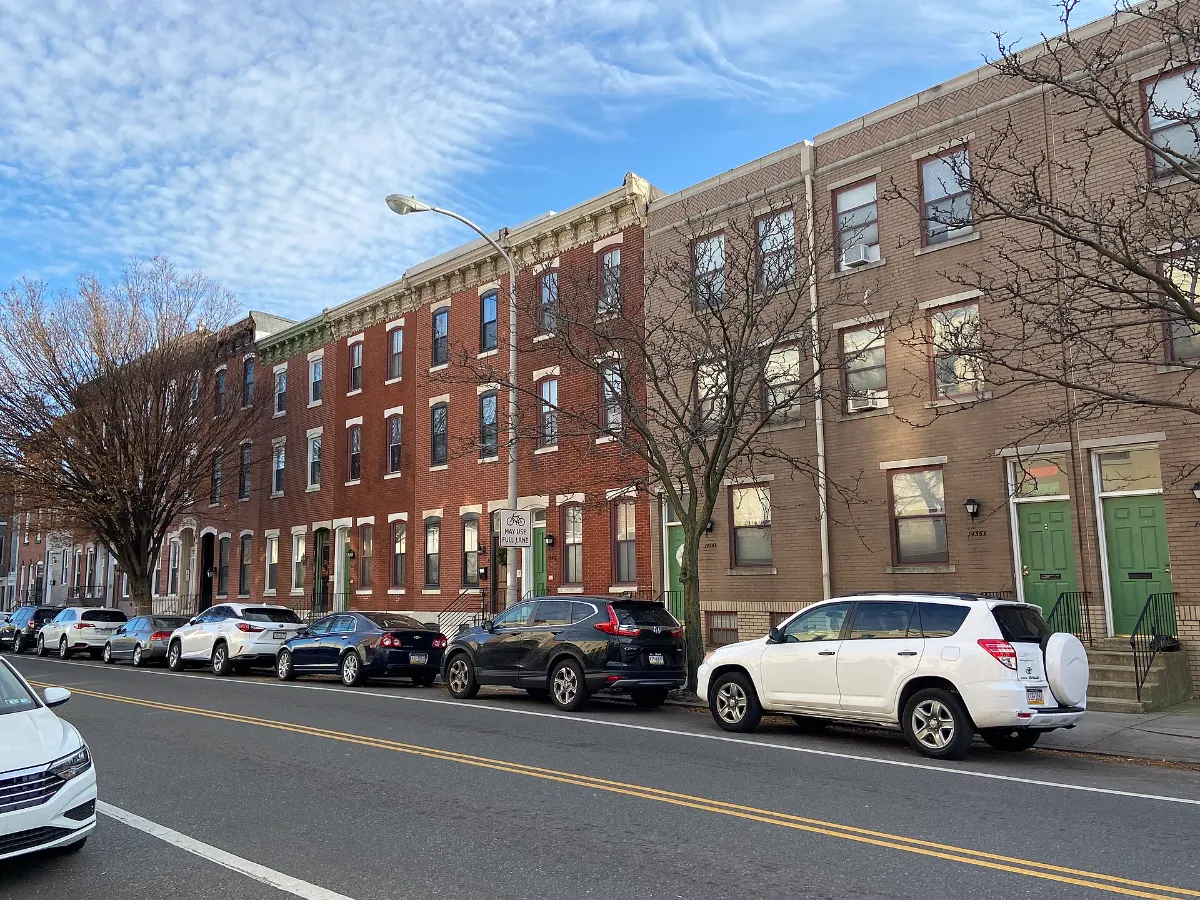
A townhouse is an attached home, usually with two or more floors and its own front door, sharing one or both side walls with neighbors. In Philadelphia, people often use rowhouse and townhouse for the same kind of building. My home types field guide walks through those names.

The style tells you about stairs, shared walls and daylight. It doesn’t tell you whether you own the land underneath, whether there’s a monthly fee or who replaces the roof.
One townhouse, three possible setups
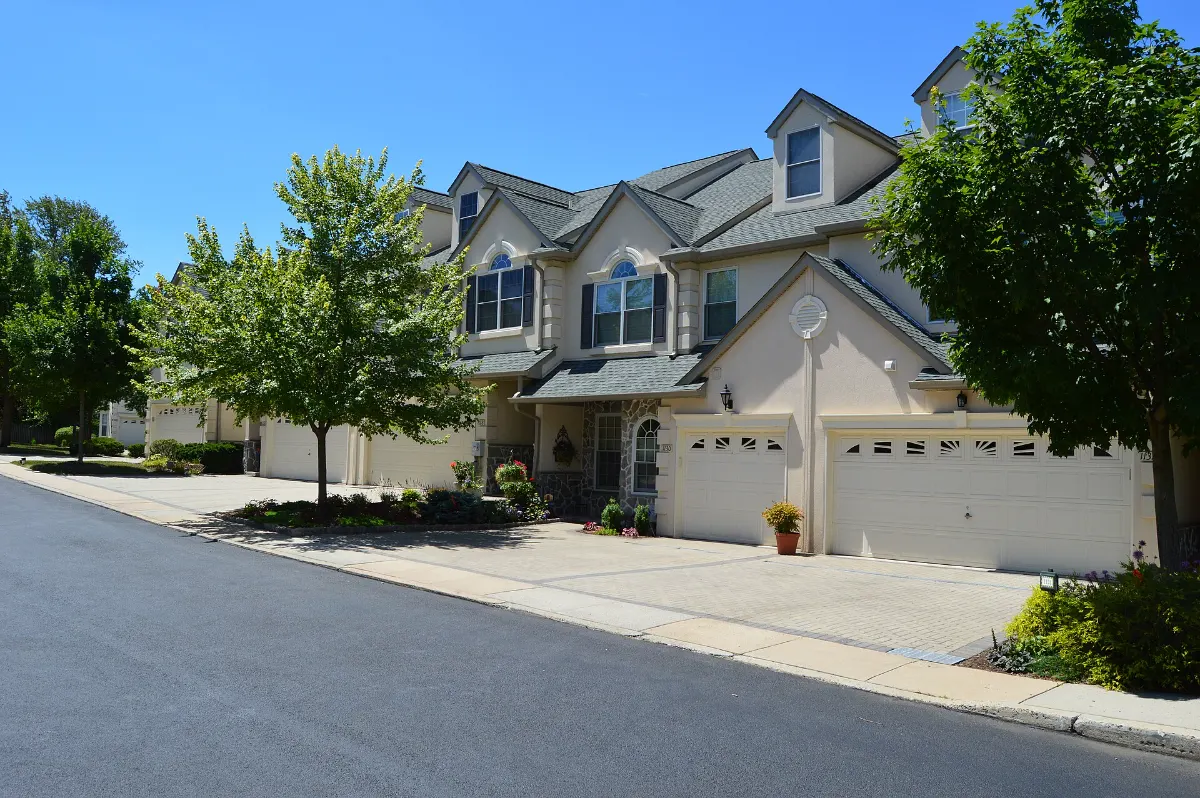
Two townhouses can look identical from the sidewalk and still be owned in very different ways. Most fall into one of these three setups.

- No association
- You own the house and the lot. No monthly association fee and no shared rulebook. You handle the roof, exterior and insurance yourself. Many older Philadelphia rowhouses work this way, but check each one.
- Planned community (HOA)
- You own the house and usually your lot. An association owns and maintains shared areas such as roads, open space or a pool, and charges fees to do it. The covenants decide whether it also handles things like exterior work.
- Condominium
- You own your unit as defined in the declaration, plus a shared interest in everything else. The association typically maintains and insures the common elements, and the fees and rules reflect that.
Pennsylvania has separate laws for the second and third setups: the Uniform Planned Community Act and the Uniform Condominium Act. The listing may say “townhouse” for all three.
Why your paperwork might show two numbers
This trips up a lot of first-time buyers. The documents may show one number that matches the mailing address and a different number that identifies the unit.
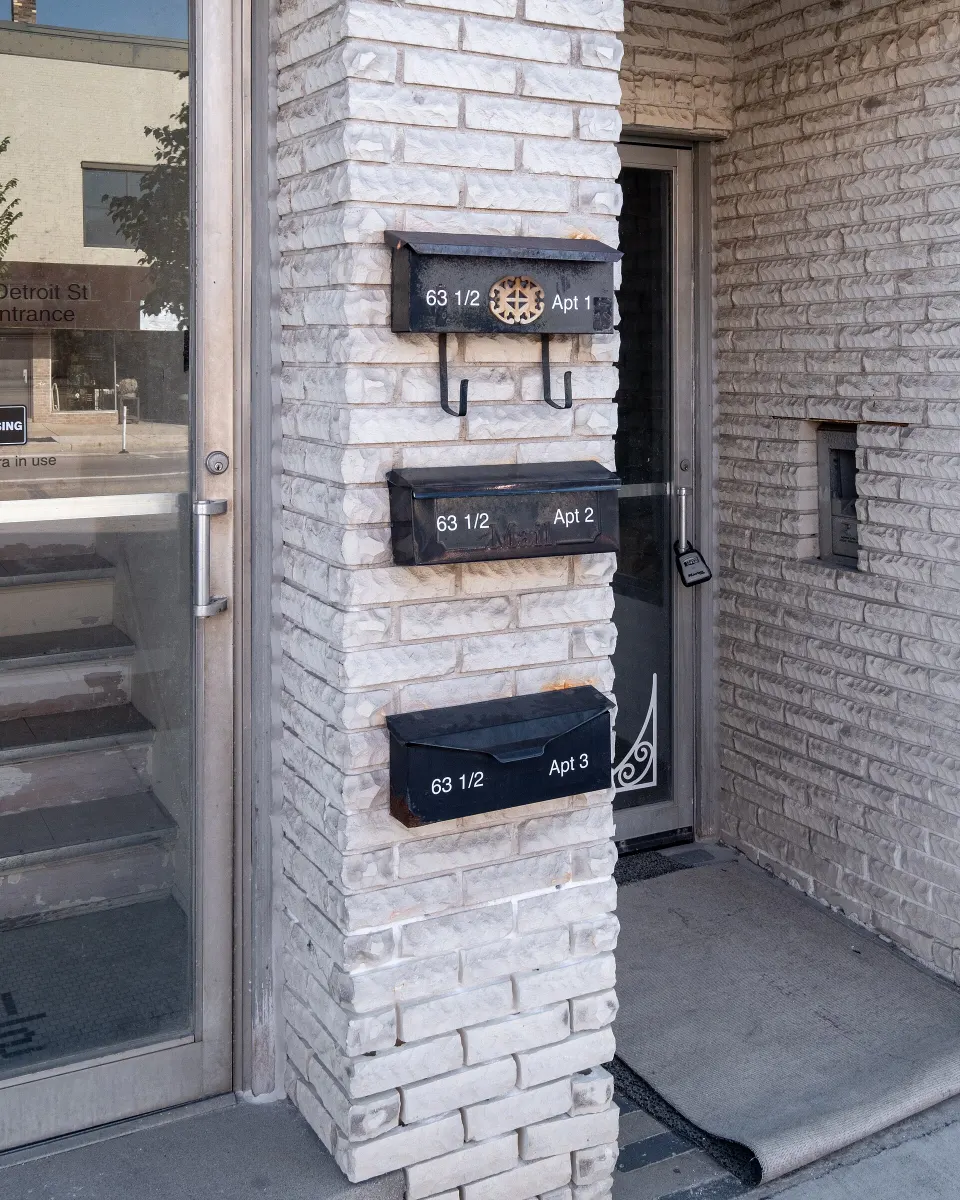

Both can be correct. In Pennsylvania, a condominium declaration must describe the boundaries of each unit, including the unit’s identifying number. That unit number is how the declaration, the deed and the association’s records know which home is yours. The postal address is how the mail carrier finds it. They don’t have to match.
When the numbers don’t line up, ask your agent and the title company to confirm that the unit in the agreement of sale, the deed’s legal description and the association’s resale certificate all point to the same home.
What actually changes for you
Maintenance and repairs
Under Pennsylvania’s condo law, the association is responsible for the common elements and each owner is responsible for their own unit, unless the declaration says otherwise. In practice, that often means the association handles things like the roof and grounds while you handle what’s inside your unit’s boundaries. In a townhouse with no association, it’s all on you. In a planned community, it depends on the covenants. Read the maintenance section of the documents rather than assuming.

Insurance
A condo association carries a master policy for the building and common elements. Owners usually add their own condo policy, often called an HO-6 or “walls-in” policy, for the interior, belongings and liability. Lenders often require one when the master policy doesn’t cover the unit’s interior. Ask for the master policy’s summary and deductible, then share it with your insurance agent.
If you own the whole building and lot, you’ll typically insure the structure yourself with a standard homeowners policy. Confirm with your insurer before you’re under contract.
Monthly fees and special assessments
Condo and HOA fees pay for shared costs and, ideally, savings for future repairs. When the savings fall short, owners can be charged a special assessment. The resale certificate, covered below, shows the current fee, any unpaid or special assessments, the reserves and planned capital spending. Add the fee to your monthly budget. My monthly cost guide shows how.

Rules: pets, rentals, renovations and parking
Wondering where the pet policy lives? Usually in the association’s rules or declaration. Association rules can cover pets, short- and long-term rentals, renovations, parking, trash and even what you can put on a balcony. If you have a dog, plan to rent the place out someday or want to redo the kitchen, read those sections before you commit.


Financing
Some loans look at the whole condo project, not just your unit. For an FHA loan, a condo generally needs to be in an FHA-approved project, or the unit needs single-unit approval. HUD has a public search of approved condo projects. Tell your lender early that the home is a condo so they can check the project before you’re deep into the process.
Read the resale certificate before the clock runs out
Pennsylvania gives condo and planned community buyers an important protection. On a resale, the seller must give you the declaration, bylaws, rules and a resale certificate from the association, ideally before you sign the agreement of sale. The association has ten days to prepare the certificate after the seller asks. See 68 Pa.C.S. § 3407 for condos and § 5407 for planned communities.
The certificate covers the fees, any special assessments, reserves, the budget, insurance, pending lawsuits and known violations. Until you receive it, and for five days afterward, you can void the purchase contract. That right ends at closing if closing comes first. Five days goes quickly, so set aside time to read it as soon as it arrives.
A few situations are exceptions. Gifts, foreclosure sales and court-ordered sales don’t require a certificate, and some small planned communities of 12 or fewer homes aren’t covered by this rule. Older condos are covered even if they were created before the current law took effect. Ask your agent which rules apply to the home you’re considering.
- Ask first
- What is the monthly fee, and what does it cover?
- Then check
- Are there special assessments, planned big projects or pending lawsuits?
- Then read
- The rules on pets, rentals, renovations and parking.
- Then confirm
- What the master policy covers, and the deductible you could be asked to share.
Your three-step plan
- Name the ownership type. Before you fall for the floor plan, ask: “Is this a condo, a planned community or neither?” Your agent can check the listing details, the deed and the recorded declaration.
- Read the documents while you can still walk away. Request the resale certificate early, put the five-day window on your calendar and bring questions to your agent, lender, insurer and, if needed, a real estate attorney.
- Match the home to your life. Weigh the fee against the work it saves you, and the rules against how you plan to live there: your pets, your parking and your plans for the space.
Not sure what you’re looking at? Send it to me.
You don’t have to decode a declaration alone at midnight. If you’re weighing a condo or a townhouse around Philadelphia or the nearby Pennsylvania suburbs, send me the listing or book a quick call. We’ll go over what to ask, which documents to read first and when to bring in an attorney, lender or insurance agent.
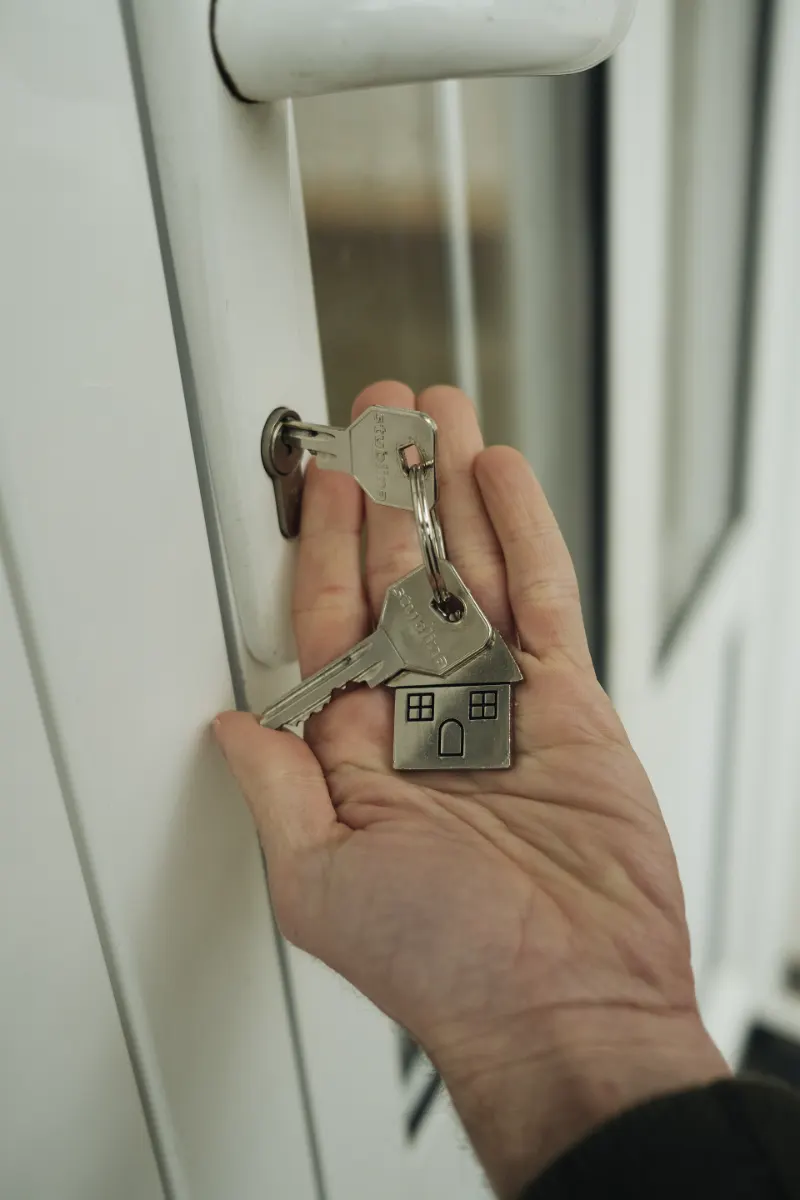

Then you can move in the way you should: keys in hand, dog welcome and no surprises waiting in the rulebook.
Common questions
Is a townhouse cheaper than a condo?
Not by definition. The style and the ownership type don’t set the price on their own. Compare the purchase price plus fees, taxes, insurance and the upkeep you’d be responsible for in each.
Do I own the land with a condo?
Usually not on your own. In a condominium, the land is generally a common element owned together by all unit owners. The declaration spells out the unit’s boundaries.
Can a townhouse have an HOA but not be a condo?
Yes. Many townhouse communities are planned communities. Owners typically hold their own house and lot, while the association manages shared areas.
Can I cancel if I don’t like what’s in the resale certificate?
For most resales covered by these laws, Pennsylvania lets a buyer void the contract until the certificate is provided and for five days afterward, or until closing, whichever comes first. Ask a real estate attorney how that applies to your agreement of sale.
Sources: 68 Pa.C.S. §§ 3102, 3103, 3205, 3307, 3401 and 3407 (Uniform Condominium Act), §§ 5102, 5103 and 5407 (Uniform Planned Community Act) and HUD’s FHA condominium pages, all checked November 3, 2026. Bills that would amend Pennsylvania’s condo and planned community laws were pending at that time; none had been enacted.
Educational disclosure: This article is for educational purposes only. I’m a licensed real estate agent with Berkshire Hathaway HomeServices Fox & Roach. I’m not an attorney, financial advisor, lender or insurance agent, and nothing here is legal, financial, tax, insurance or lending advice. Laws and loan rules change, and every property’s recorded documents are different. Before you make a decision, confirm the details with a Pennsylvania real estate attorney, your lender, your insurance agent and the association. Pennsylvania lawmakers periodically consider changes to condo and homeowners association laws. This article reflects the law as of November 3, 2026.
Sources & method
Source links appear in the text above. Dates, prices and hours can change, so confirm with the official source before you rely on them.
Photo credits and image details
These photographs were resized and converted to WebP for this website, with no crop or content changes. Source and license links are below. Dates describe the source photos, not current conditions or future events.
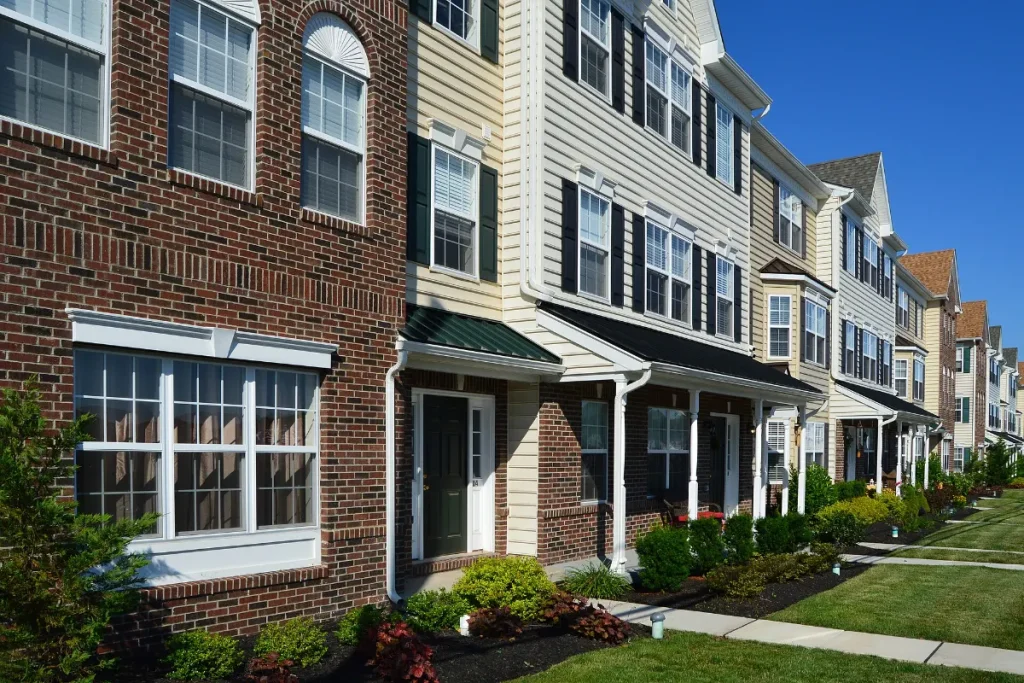
- Montgomery County Planning Commission · CC BY-SA 2.0Stacked townhouses on School Road in Souderton, Montgomery County, July 2017. You can see the style from the sidewalk, but not the ownership type.
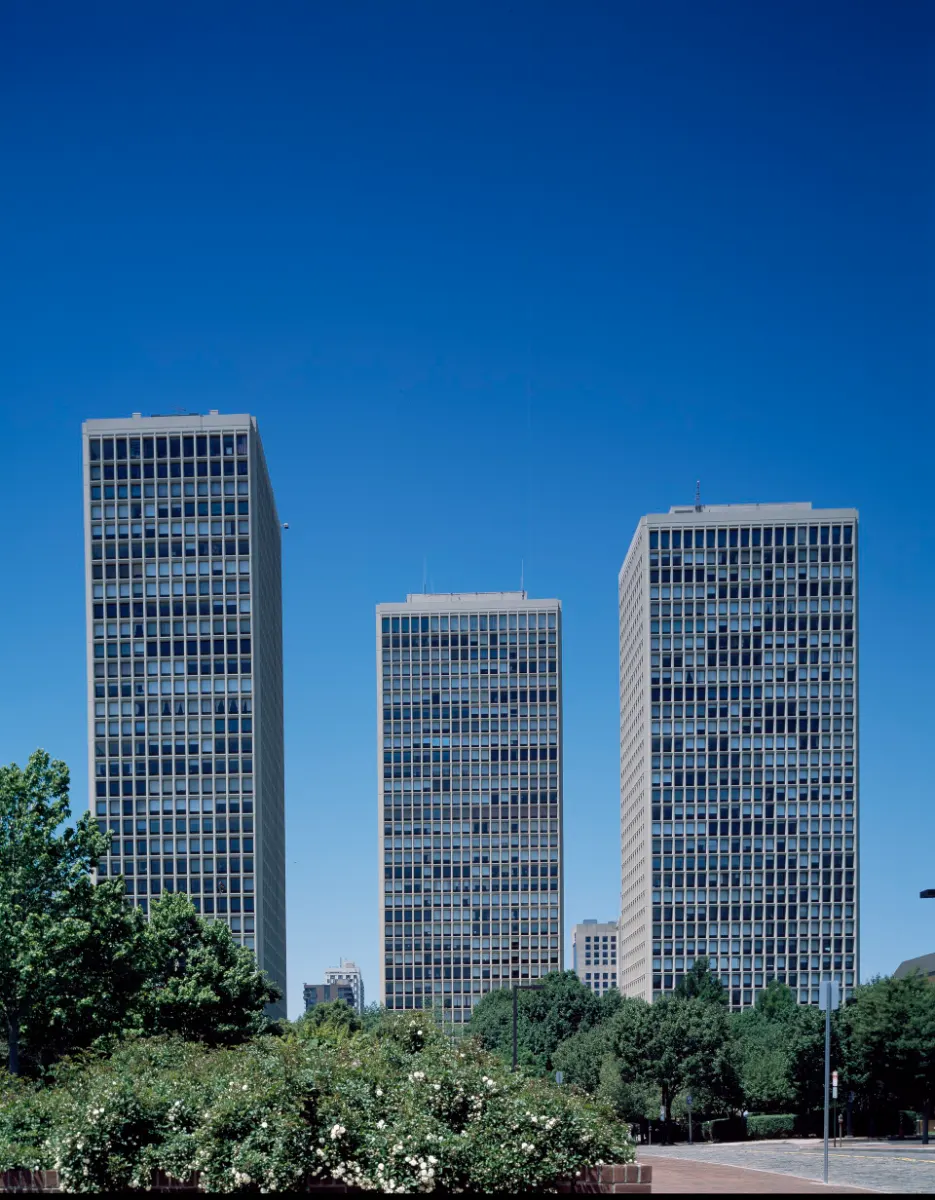
- Carol M. Highsmith / Library of Congress · Public domain (Highsmith Archive)Society Hill Towers in Philadelphia, described by the Library of Congress as a three-building condominium development. Photographed between 1980 and 2006.
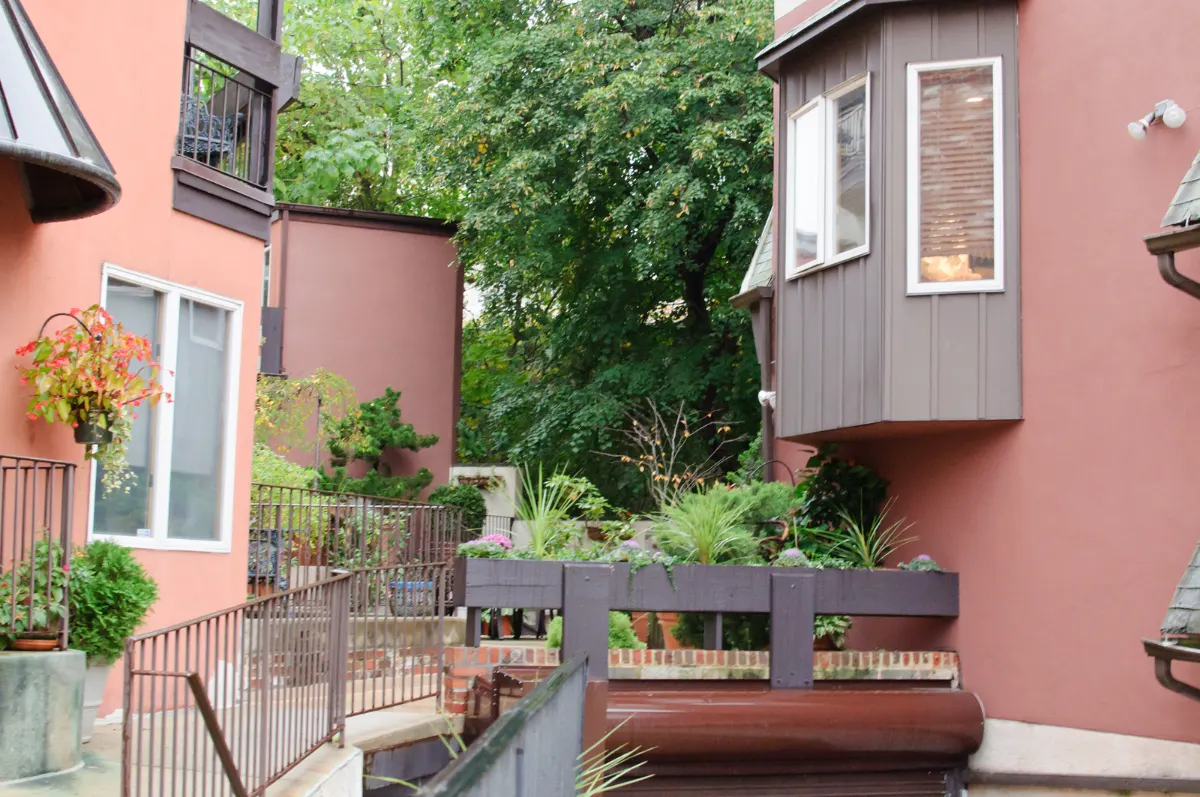
- InSapphoWeTrust · CC BY-SA 2.0A shared garden at a Chestnut Hill condominium in Philadelphia, as the photographer titled it, October 2011.
- Nolabob · CC BY-SA 4.0Row homes in the 1400 block of Christian Street, Philadelphia, December 2021.
- Montgomery County Planning Commission · CC BY-SA 2.0Townhouses in Upper Merion Township, July 2016. A row like this could be a condo, a planned community or neither.
- Tim Kiser · CC BY-SA 4.0One street address, three mailboxes, each marked with its own apartment number. Xenia, Ohio, September 2025.
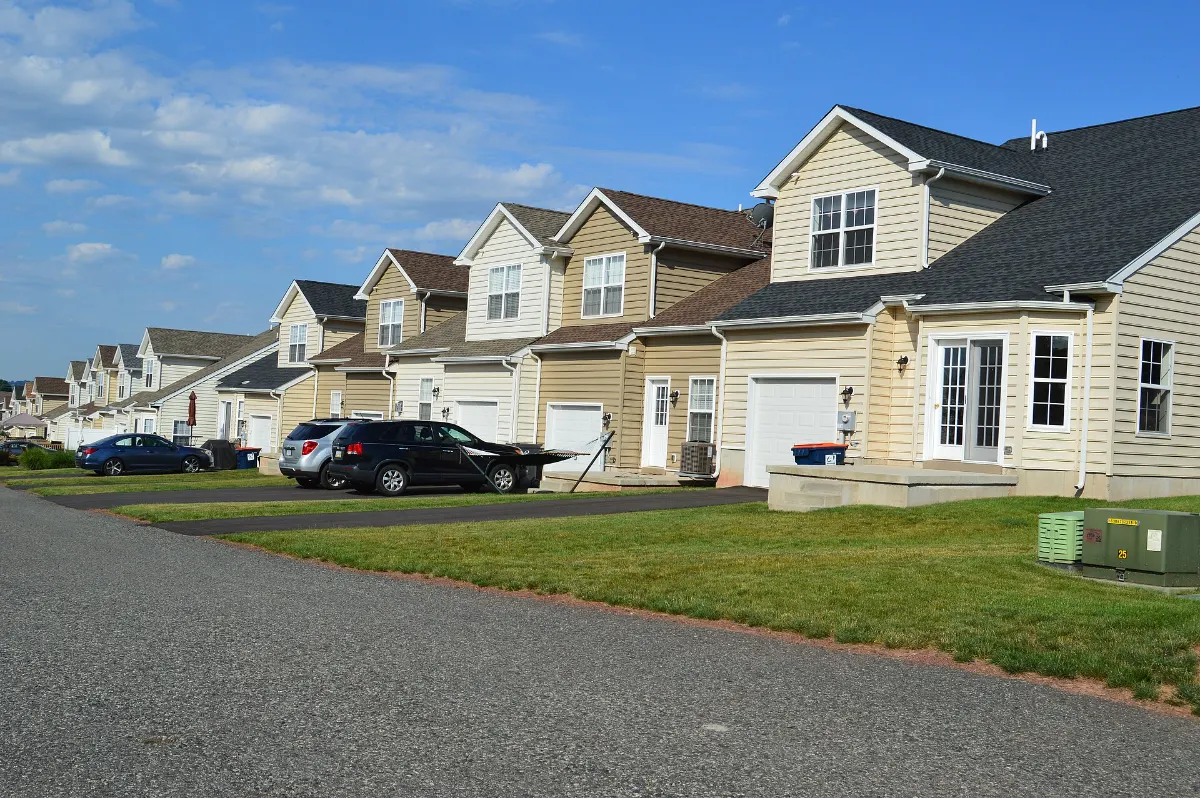
- Montgomery County Planning Commission · CC BY-SA 2.0The backs of townhouses at Northgate in Montgomery County, June 2016.
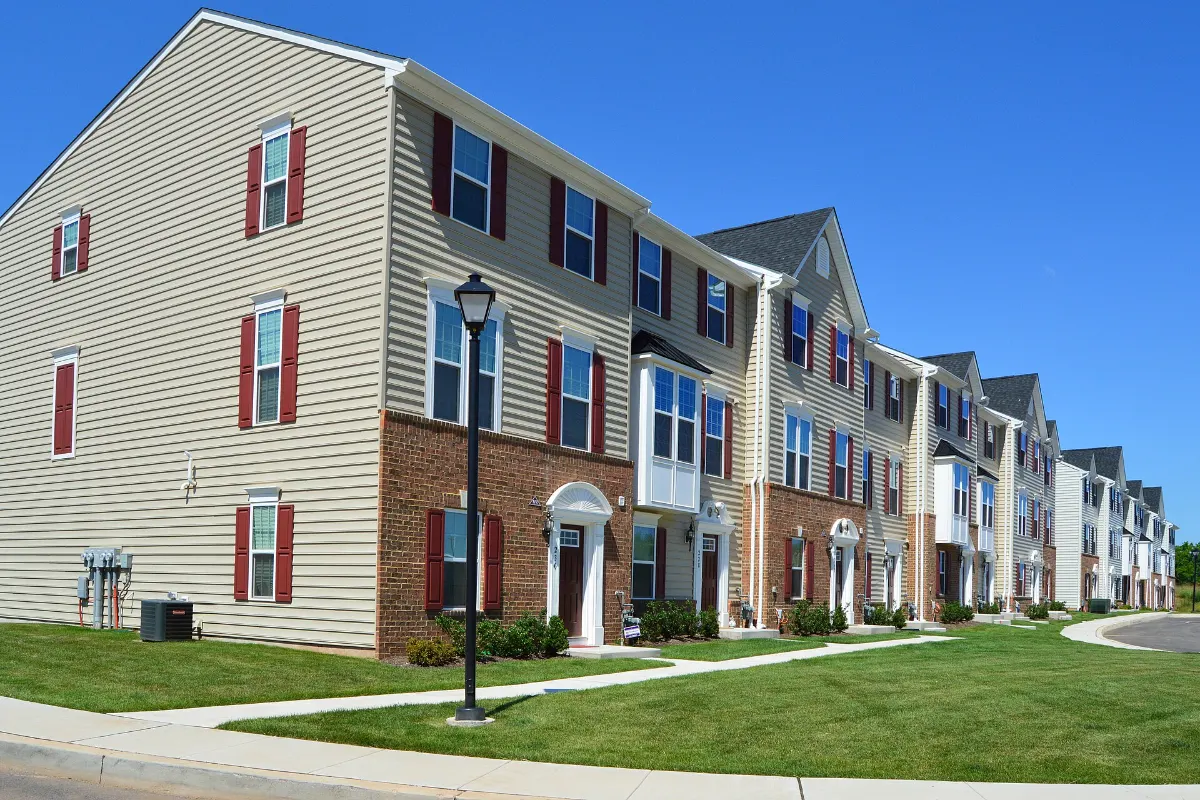
- Montgomery County Planning Commission · CC BY-SA 2.0A shared lawn at the Andale Green townhouses in Montgomery County, July 2017.
- Billie Grace Ward · CC BY 2.0Walking a dog on a snowy city sidewalk, January 2015. An illustration; location not identified.
- Shixart1985 · CC BY 2.0House keys at a front door lock, March 2023. An illustration.